Understanding L1 Visa Requirements: A Comprehensive Overview for Global Professionals
Steering with the intricacies of the L1 visa procedure is necessary for international professionals intending for intra-company transfers to the united state. This visa provides 2 key groups, each with distinctive demands. Recognizing eligibility standards and the application procedure can considerably influence the end result. Nonetheless, numerous deal with obstacles along the way. What are the critical steps to ensure a smooth trip via this intricate procedure? The solutions lie in advance.
Summary of the L1 Visa Categories
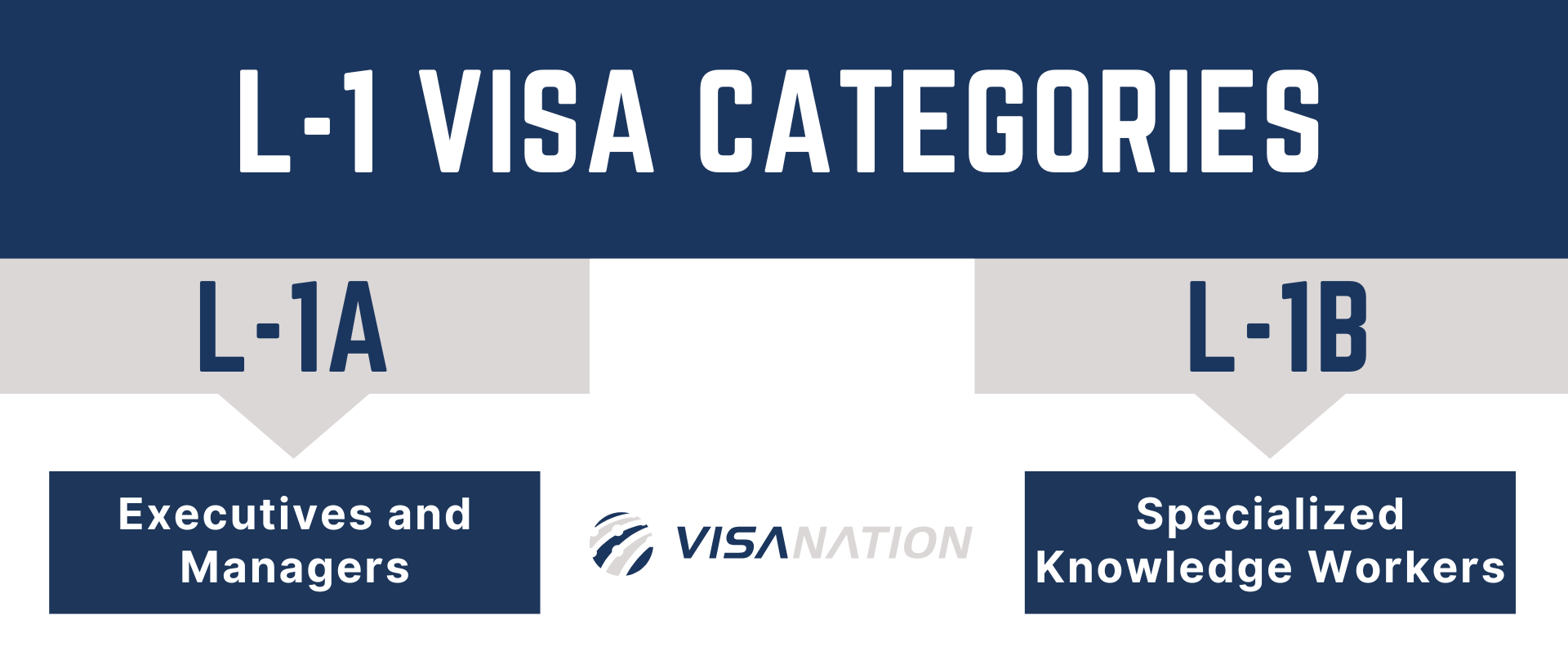
While guiding via the complexities of U.S. migration, it is necessary to understand the various groups of the L1 visa, which is made for intra-company transferees. The L1 visa incorporates 2 key categories: L1A and L1B. The L1A visa accommodates execs and managers, enabling them to transfer to an U.S. branch, affiliate, or subsidiary of their organization. This category is specifically useful for people in management duties, as it permits a much longer period of remain, usually as much as 7 years.
Conversely, the L1B visa is meant for employees with specialized expertise, highlighting their competence in the business's procedures, items, or solutions. L1 visa requirements. This classification enables a remain of approximately five years. Comprehending these distinctions is crucial for experts and companies maneuvering the L1 visa procedure, guaranteeing they choose the ideal category based on their roles and responsibilities within the organization
Qualification Standards for L1 Visa Applicants
In addition, the funding company must maintain a qualifying partnership with the international entity where the applicant was formerly employed. This relationship can be a parent business, subsidiary, associate, or branch. Applicants must likewise mean to work in the united state in a similar supervisory or specialized duty upon approval of their visa.
Required Paperwork and Application Process
An extensive set of documents is important for candidates seeking an L1 visa. The procedure starts with the conclusion of Kind I-129, a petition for a nonimmigrant employee, which need to be submitted by the united state company. Accompanying this form, candidates need to give evidence of the qualifying partnership in between the united state and foreign company, such as income tax return or business charts. Proof of the candidate's work history, consisting of work summaries and roles, is likewise required to demonstrate credentials for the intended setting in the U.S.
Furthermore, applicants must send their copyright, photos, and any previous U.S. migration files. As soon as the request is authorized, candidates need to go to a visa meeting at a united state consular office or consular office, bringing all supporting papers. This precise paperwork guarantees conformity with united state immigration legislations and helps with a smoother application procedure for prospective L1 visa holders.
Period of Stay and Extensions
The period of stay for L1 visa holders differs this content depending on the details category of the visa they possess. L1A visa holders, typically executives and managers, are granted an initial remain of up to 3 years, with the possibility of expansions approximately a maximum of 7 years. Alternatively, L1B visa holders, who have specialized knowledge, are permitted a preliminary keep of approximately three years, yet can extend their remain for a maximum of five years.
Extensions need to be requested before the visa runs out, and the process requires the employer to show the necessity of the employee's continued existence in the U.S. It is important for companies and employees to follow the laws worrying duration and extensions to stay clear of any type of prospective lawful issues. Staying educated about the needs and timelines is vital for keeping L1 visa standing and ensuring conformity with united state migration regulations
Usual Difficulties and Tips for Success
Guiding through the complexities of the L1 visa procedure can present different obstacles for both employers and employees. One usual hurdle is the paperwork called for, which often demands meticulous attention to detail. Applicants must guarantee that their task descriptions align with the specialized expertise requirements, which can result in complication and misconception. Additionally, the timeline for approval can be uncertain, causing stress and anxiety for those awaiting learn the facts here now moving.
To boost possibilities of success, it is advisable for candidates to consult migration lawyers who specialize in L1 visas. This expert assistance can help navigate legal subtleties and prepare a strong application. Companies must also ensure proper interior communication, lining up HR policies with L1 visa needs. Keeping organized documents and timely submissions can considerably reduce tension throughout the application process, paving the method for a smoother adjustment for all celebrations entailed.
Often Asked Questions
Can Family Members Members Accompany an L1 Visa Owner?
Yes, relative can go along with an L1 visa holder. Partners and unmarried children under 21 years of ages are eligible to look for L2 visas, allowing them to study and live in the United States.
What Is the Distinction In Between L1A and L1B Visas?
The L1A visa is for supervisors and executives, while the L1B visa is for workers with specialized expertise. Both enable intracompany transfers, but the L1A commonly provides a more comprehensive series of chances for development.
Are There Specific Job Titles Required for L1 Visa Approval?
Details work titles are not mandated for L1 visa authorization; nevertheless, applicants have to demonstrate that their roles straighten with supervisory or specific understanding settings. Relevant experience and firm structure play important duties in the approval procedure.
Can I Switch Over Companies While on an L1 Visa?
Switching over companies while on an L1 visa is normally not allowed. The visa is connected to the particular company and function. A article source brand-new company would certainly call for a different L1 request for authorization.
Is There a Quota for L1 Visa Approvals Yearly?
There is no annual allocation for L1 visa approvals, permitting eligible people to apply without the restrictions of a numerical limit. This adaptability supports international business in transferring workers as required throughout the year.